
Fieldwork and Museum Opportunities
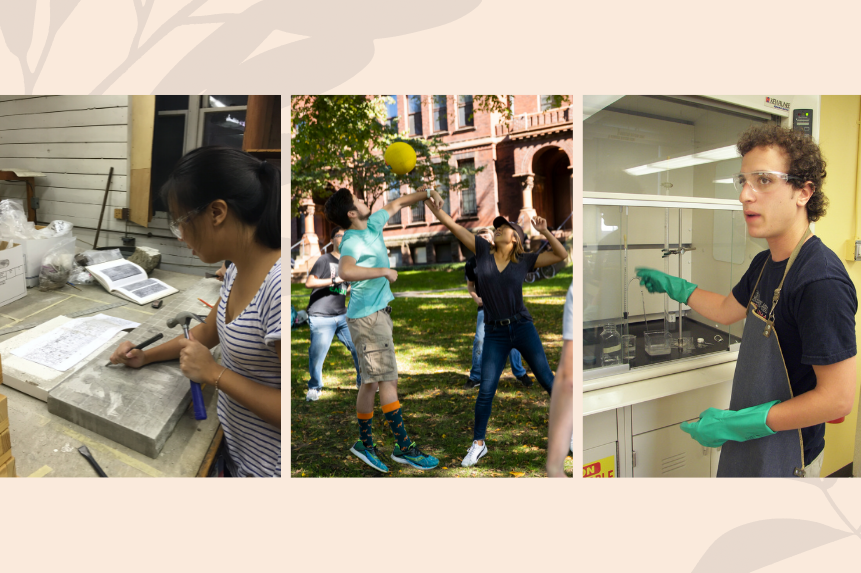
While the graduate program does not mandate either fieldwork or museum experience, such practical engagement with the field is strongly encouraged and every effort made to facilitate student opportunities in these areas.
Fieldwork
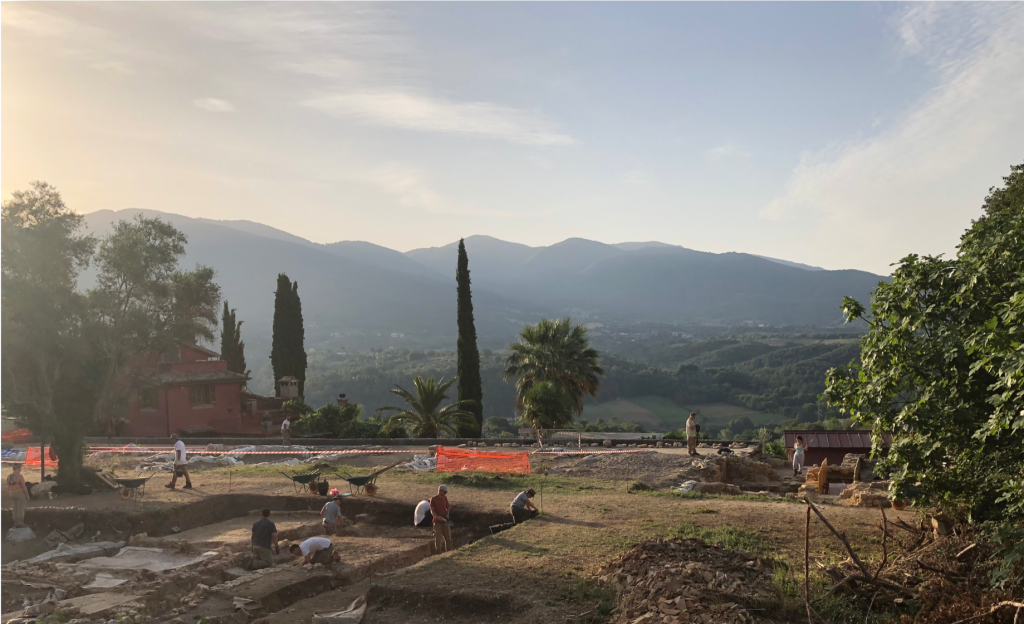
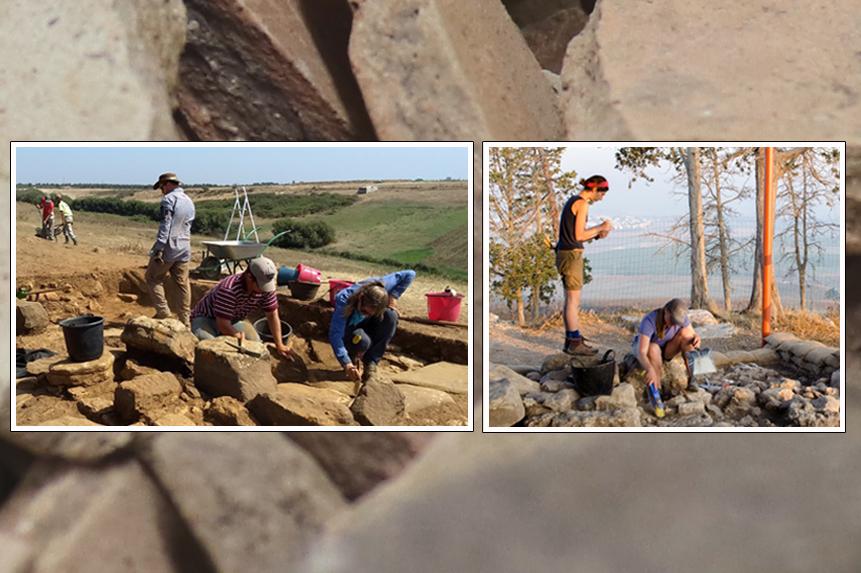
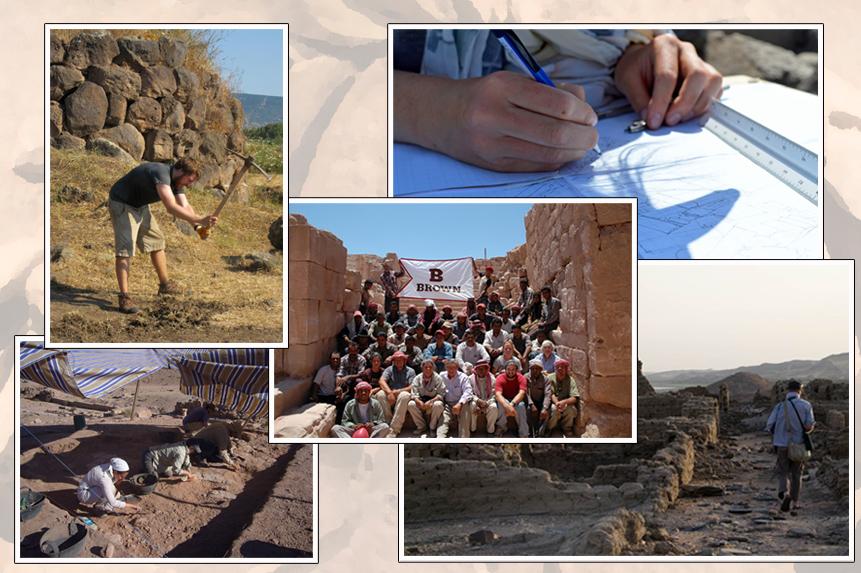
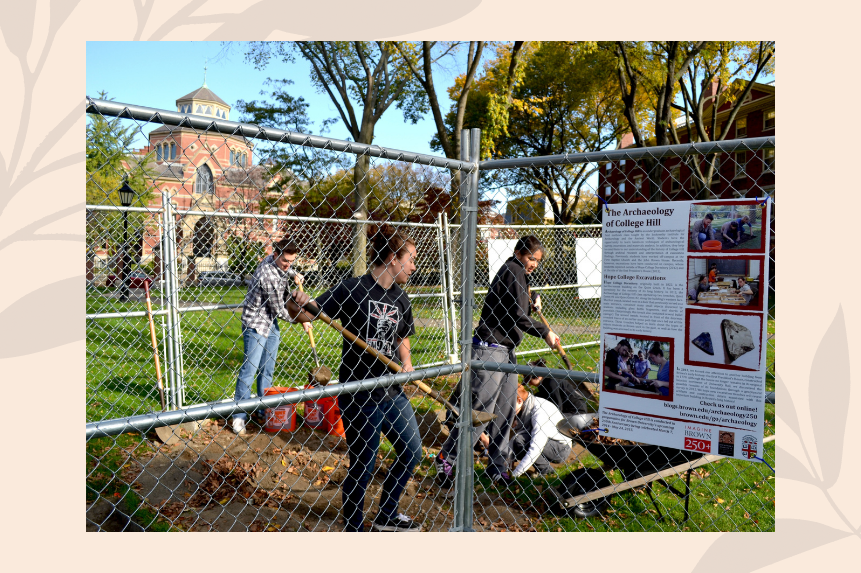
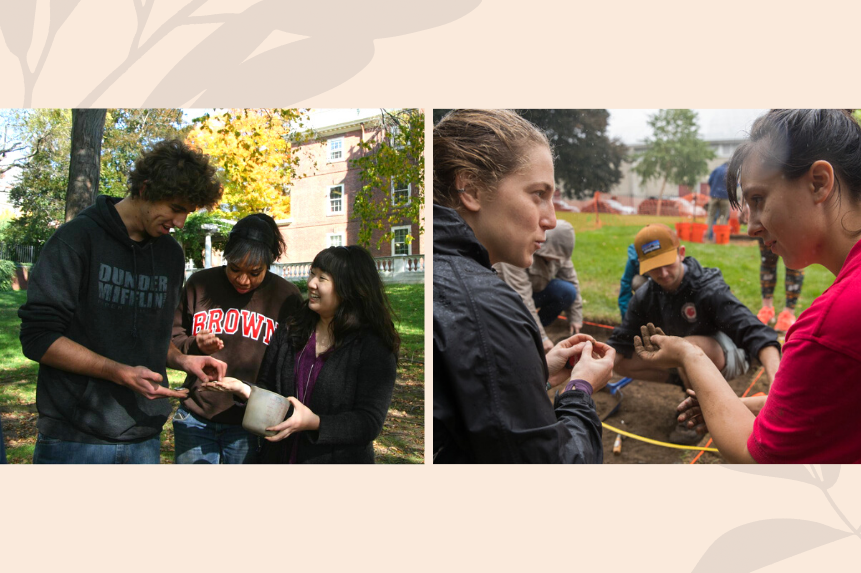
In practice, almost all students invariably spend time in the field, either before or during, their graduate career. Fieldwork can, and should, take various forms and ideally exposes graduates to a wide range of methodologies and techniques, including excavation, regional survey, artifact analysis, and the restudy of material from previous projects. Students are particularly encouraged to become involved in projects appropriate to their individual research concerns (see Fieldwork Opportunities). Financial support for summer fieldwork expenses (especially travel) is available from the Graduate School and the Joukowsky Institute.
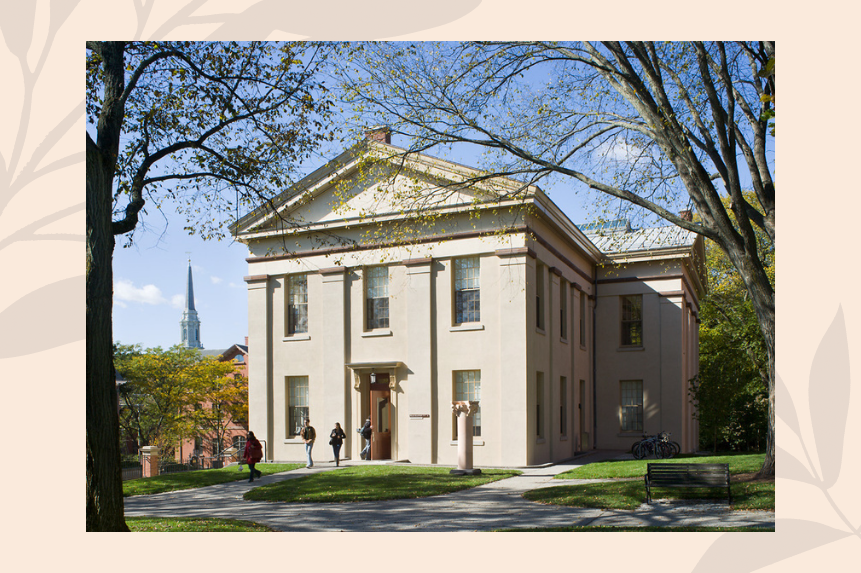
The Joukowsky Institute for Archaeology and the Ancient World presently sponsors fieldwork at Tongobriga, Portugal; Apollonia-Arsuf in Israel; the Vorotan Project in southern Armenia; and Petra in Jordan. Brown students are welcome on these projects, or encouraged to investigate the many other available fieldwork opportunities.
Museum Experience
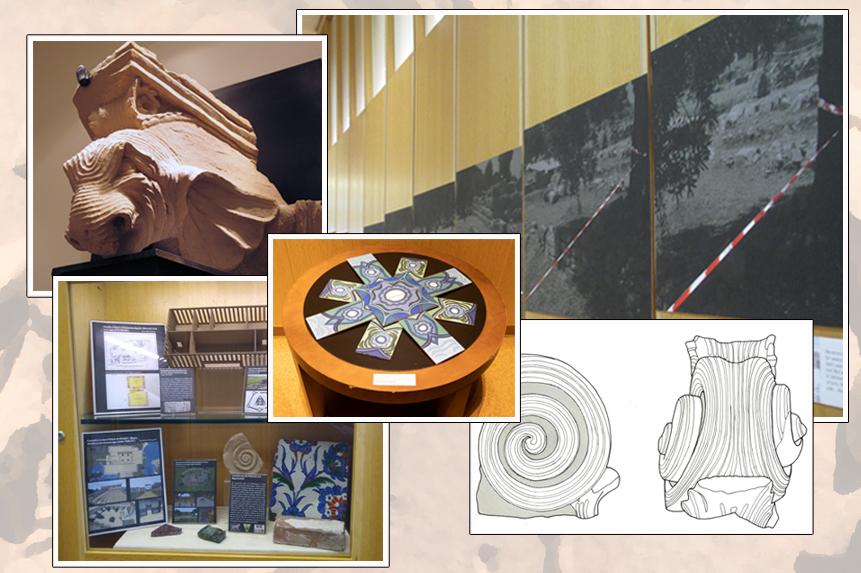
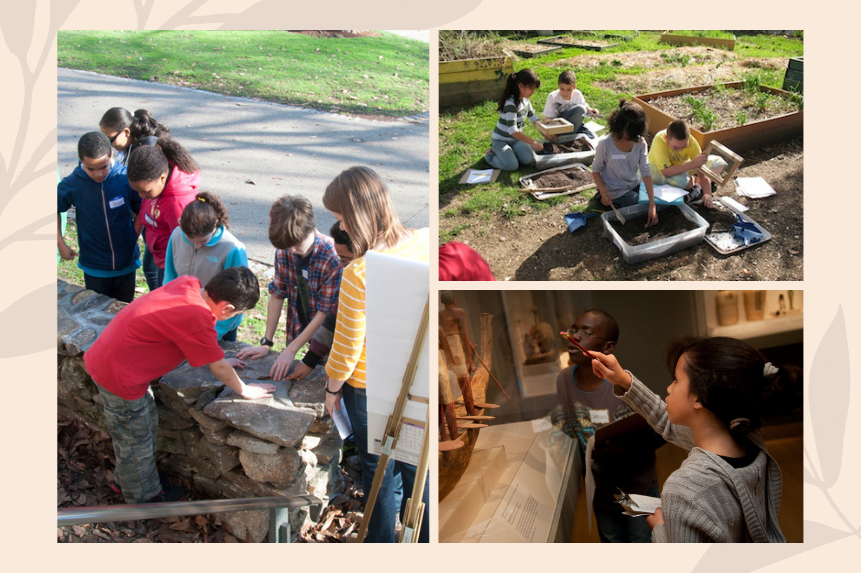
The acquisition of museum or other collections-based experience is a growing dimension in graduate training in archaeology. Apart from its own small collection of coins and antiquities, Joukowsky Institute students benefit from the proximity of the Rhode Island School of Design Museum and other regional collections (such as the Boston Museum of Fine Arts and the Metropolitan Museum in New York). Museum experience is also possible through courses and exhibits coordinated through the Haffenreffer Museum of Anthropology, as well as through the M.A. in Public Humanities at the John Nicholas Brown Center for the Study of American Civilization.