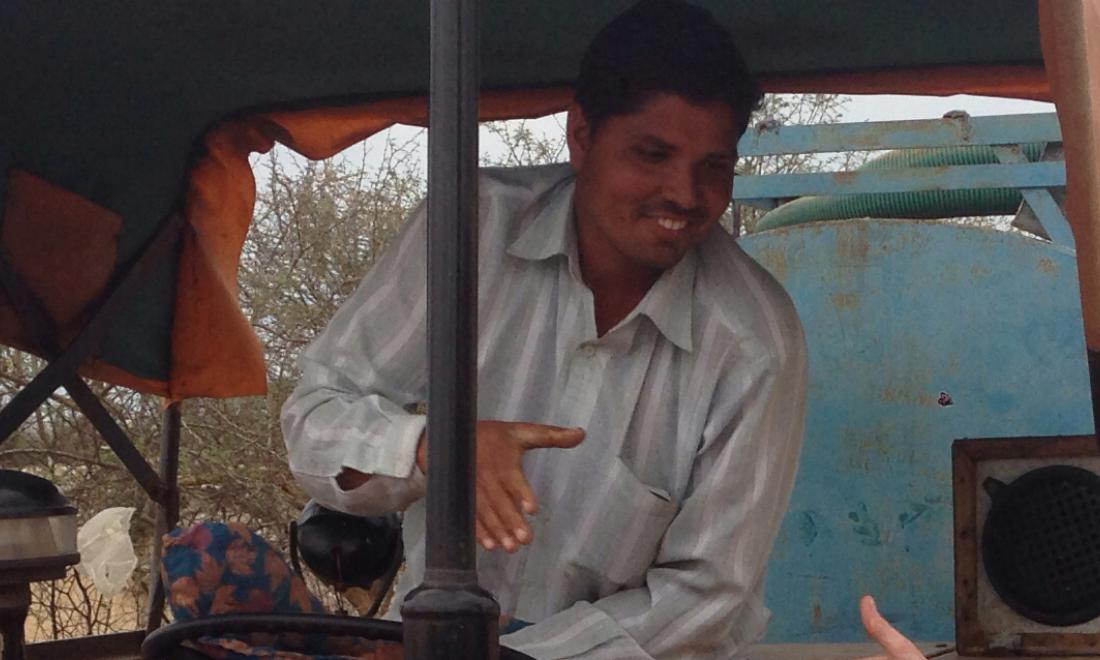
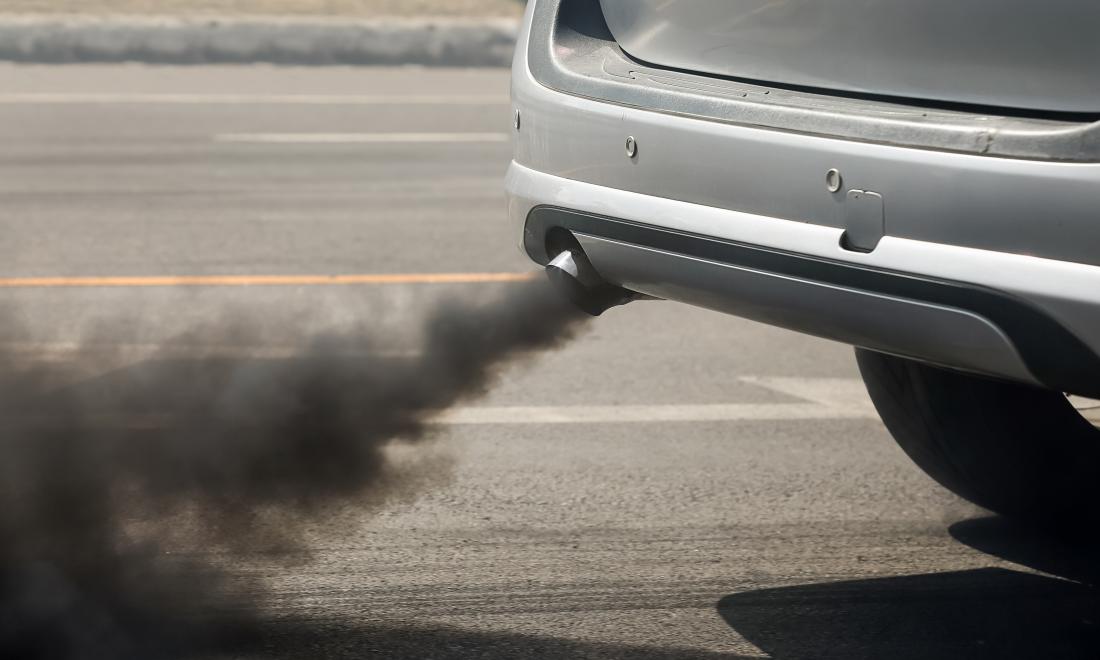
Foster has several projects looking at the relationship between air quality and health. In Delhi, India, he has a project that was initially directed at identifying the effects of a court mandate to enforce vehicle regulations with regard to the use of compressed natural gas (CNG). This study involved the systematic collection of ground data on air quality in combination with a household-level survey that included spirometry-based measures of respiratory health.
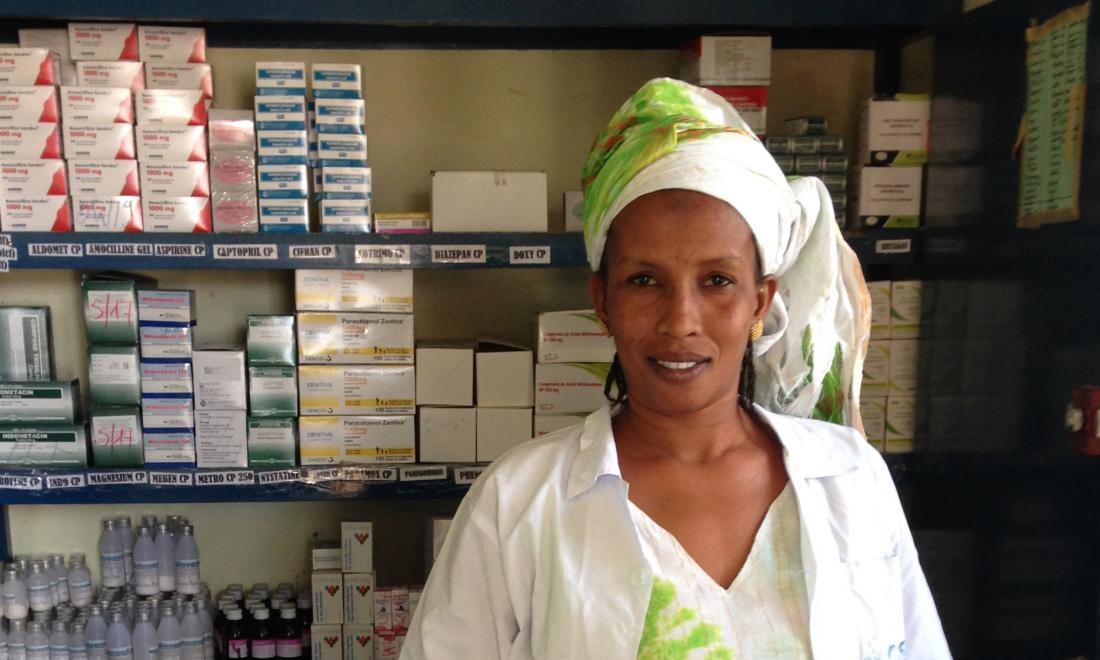
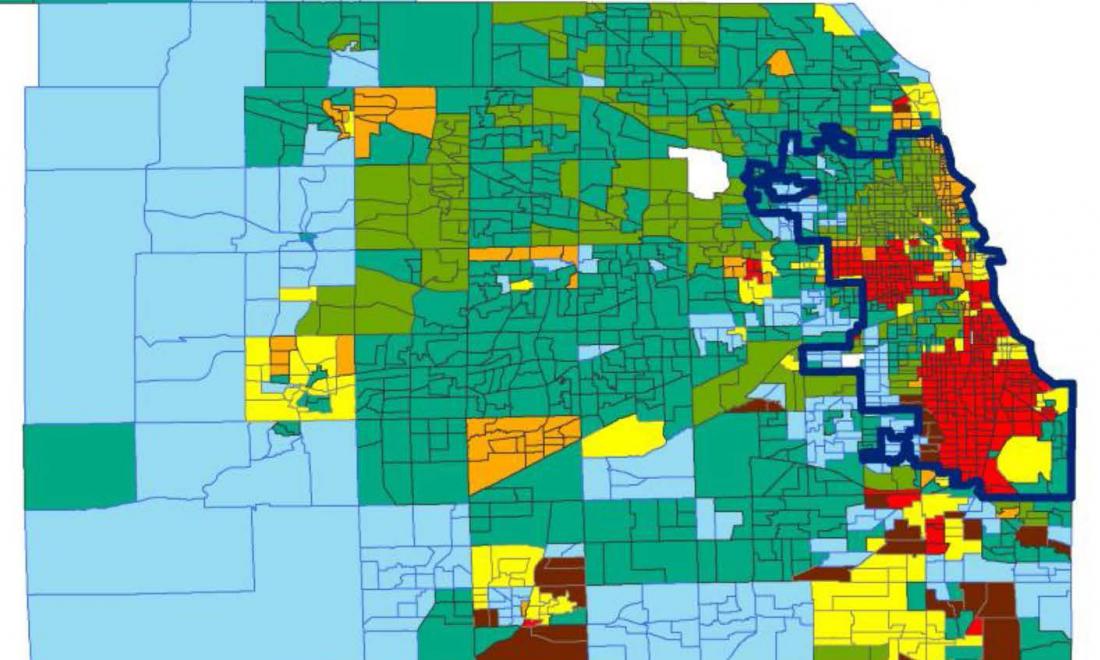
For this study of drug resistance to HIV, Hogan is providing biostatistical expertise and numerical programming. In particular, his expertise will assist in characterizing geographic variation in antiviral therapy resistance.
Weil’s recent research focuses on how changes in health and fertility affect economic growth in the setting of developing countries. Regarding health, he has examined how improvements in overall health, as proxied by life expectancy, as well as control of specific diseases (malaria and tuberculosis) feeds through channels such as worker productivity, human capital accumulation, and population age structure to effect the level of income per capita.
Tyler uses objective data in the form of automatically generated web logs to examine how much and in what ways teachers view student performance data when it is presented to them in a web-based application. This work also examines the extent to which the use of web-based student data is related to student test score growth.
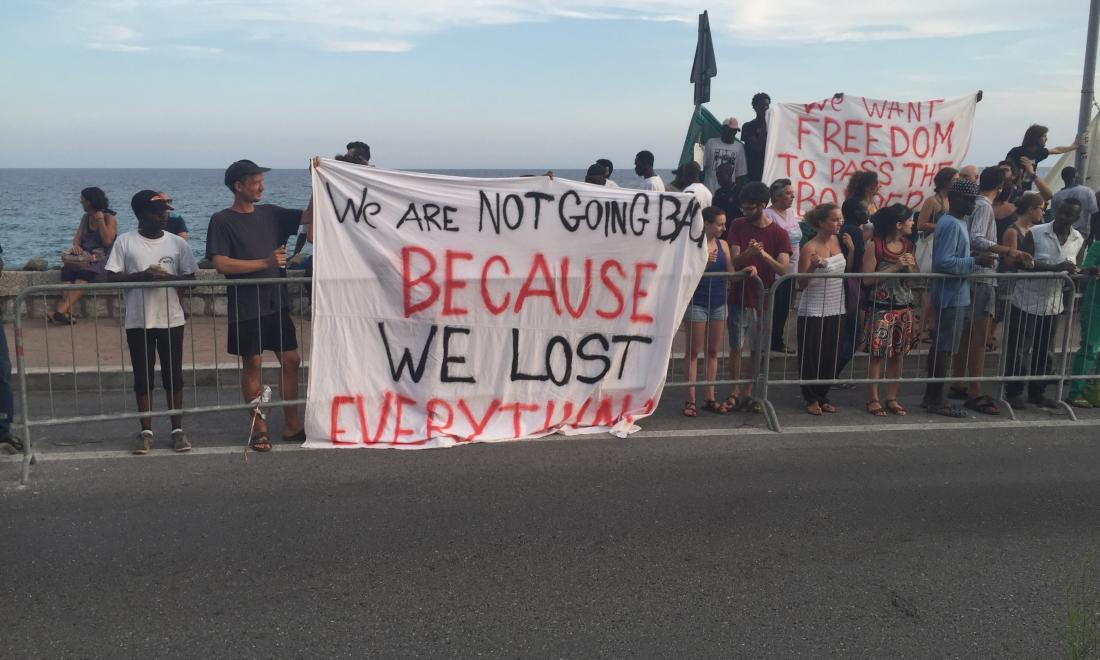
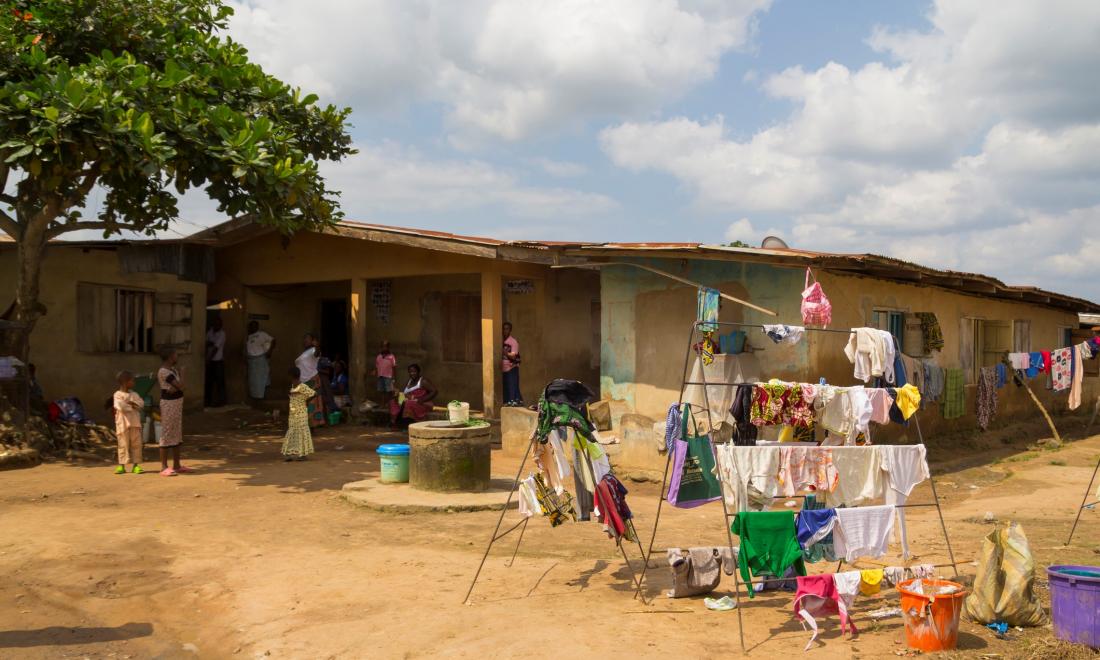
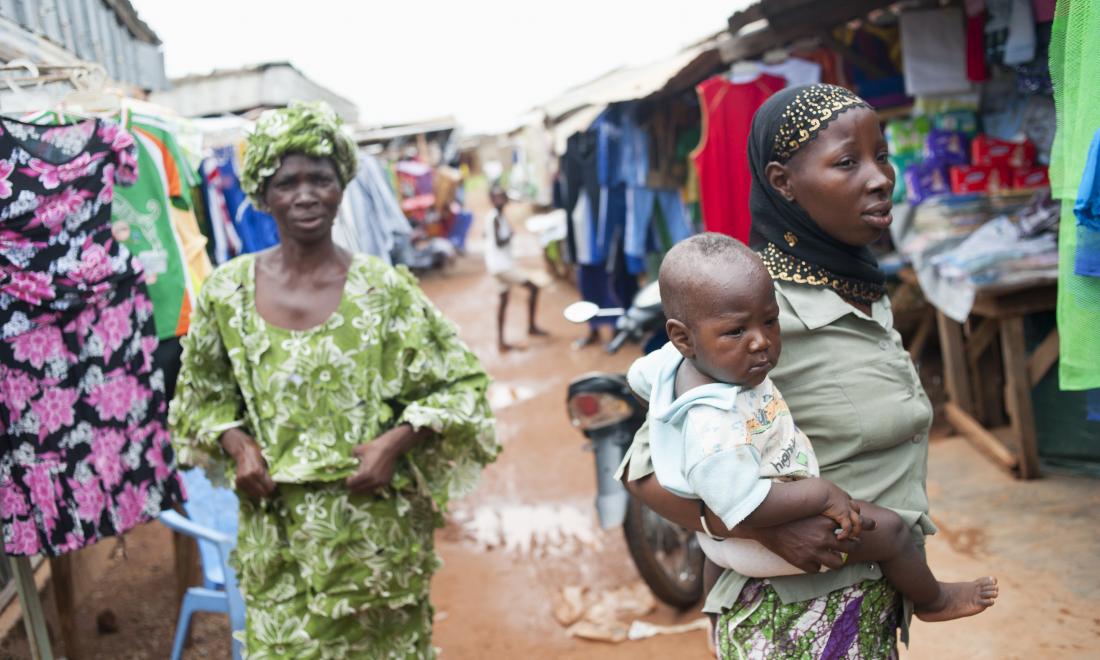
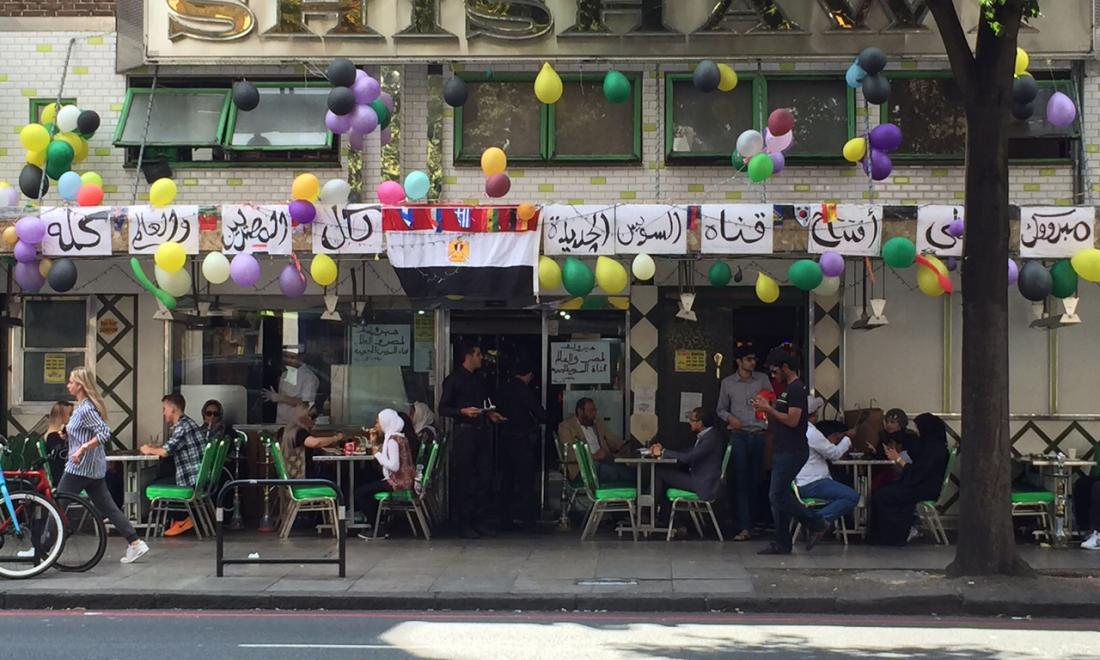
This project, which seeks to identify connections between human trafficking and migration, is part of Smith’s collection of work studying the effects of migration on the sexual behavior of young rural-urban migrants in Nigeria. Working with his doctoral student, this project will be conducted over 12 months in Nigeria, using the ethnographic methods of participant observation, self-reporting, and formal and informal interviews.
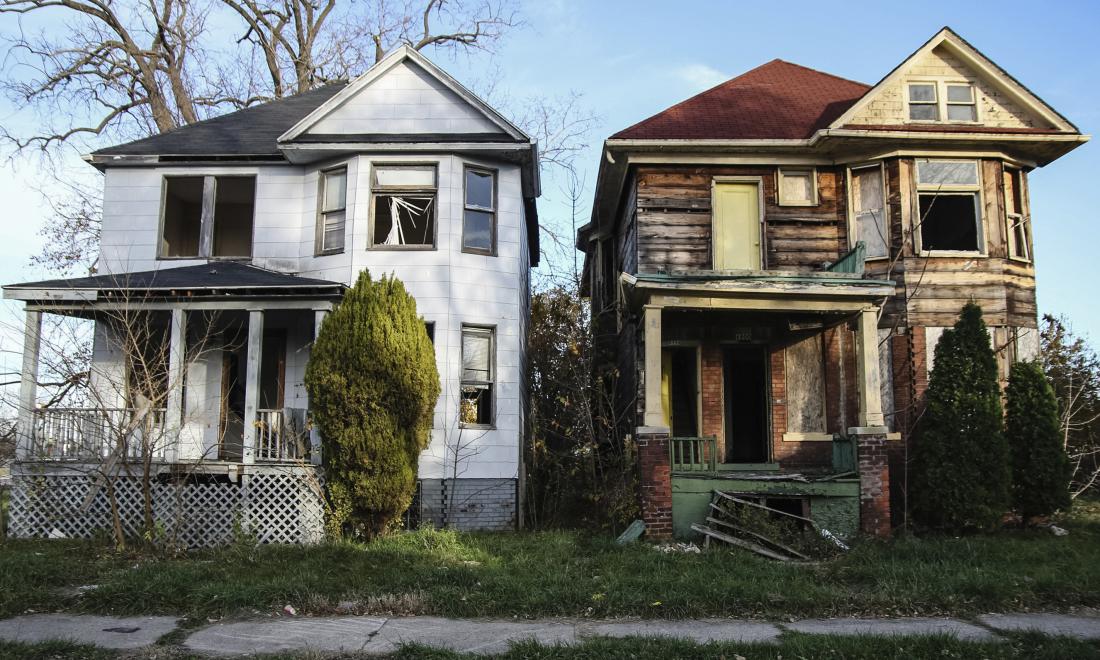
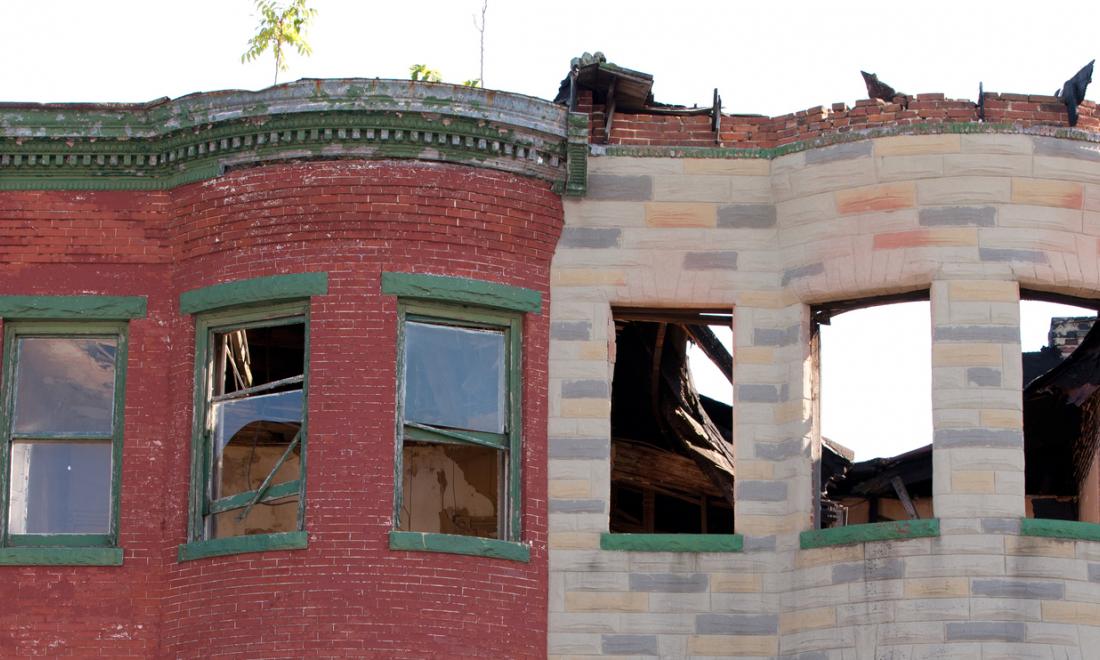
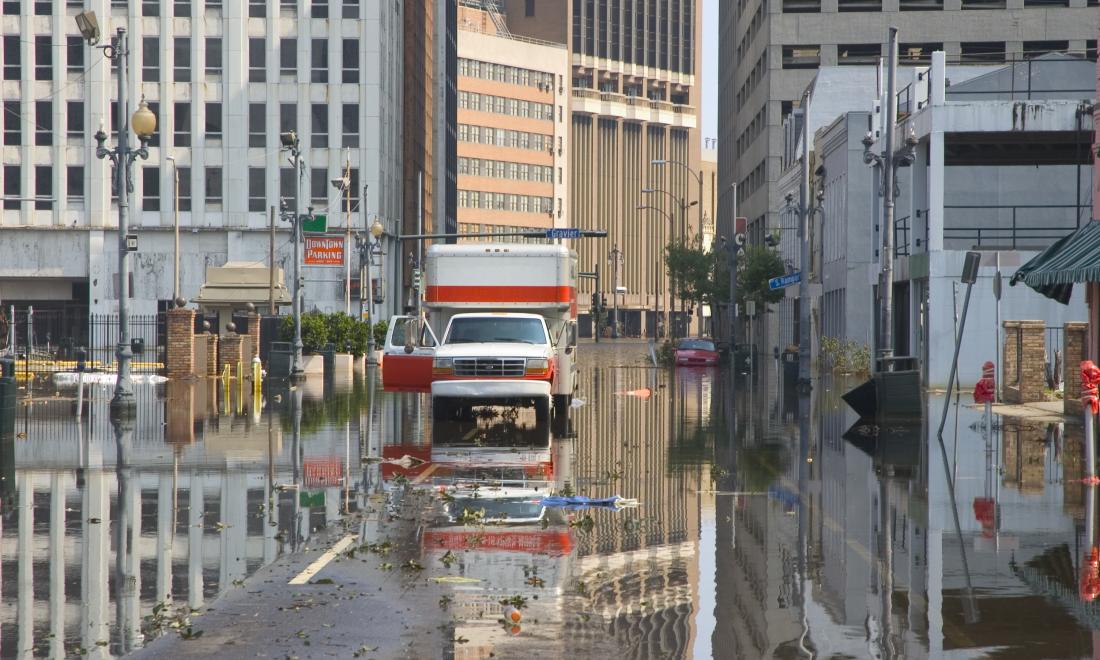
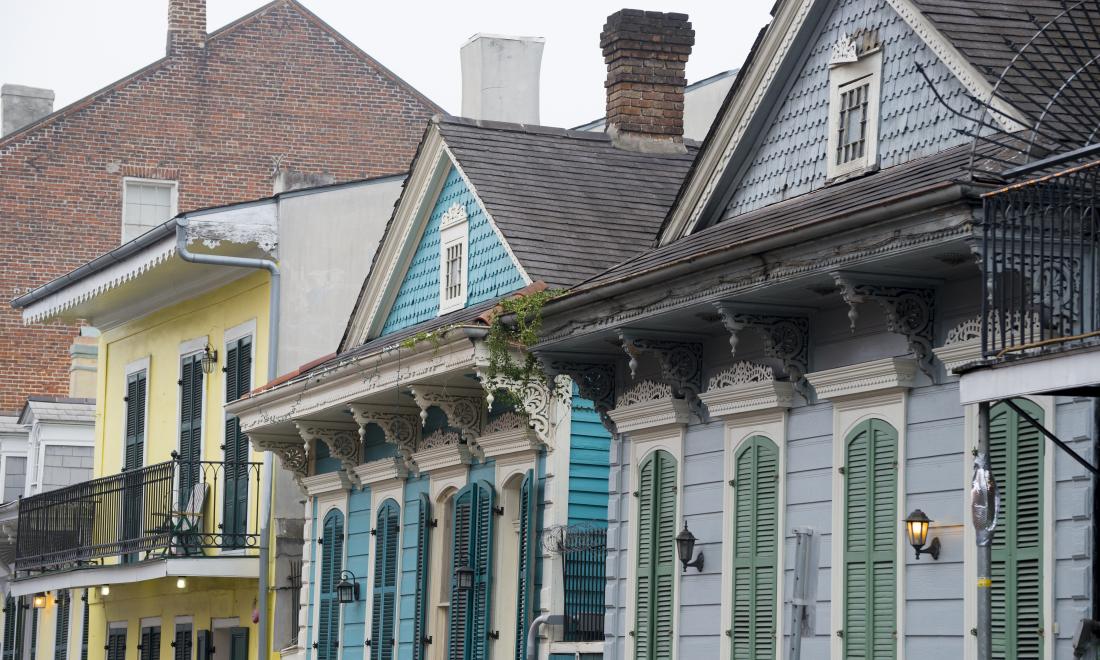
The complex relationship between demographic processes, spatial segregation, and inequality is evident in work by Logan on the impact of Hurricane Katrina on New Orleans. Logan finds that primarily black neighborhoods within the city limits were more likely to be damaged and less likely to be rebuilt than were otherwise similar neighborhoods.