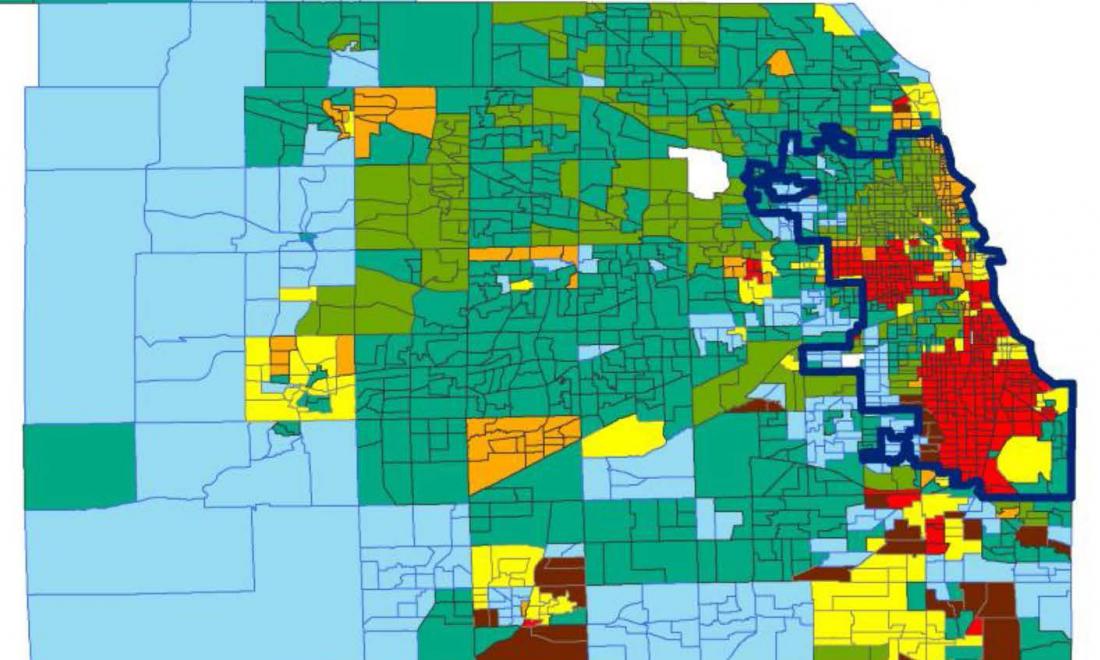
Aizer, along with Laura Stroud in Community Health, is examining the role of the 1964 Surgeon General’s Report on maternal smoking in changing smoking behavior during pregnancy and how these changes spread across educational groups. Their results suggest that not only were the educated more responsive to the initial announcement but, consistent with a peer-effects model, smoking reductions among the educated were more dramatic in areas of high educational segregation.
In a joint paper with Henderson and a current student, Weil establishes that satellite-based images can be a useful measure of local development, thus making it possible to track growth effects of regional variation in health improvements.
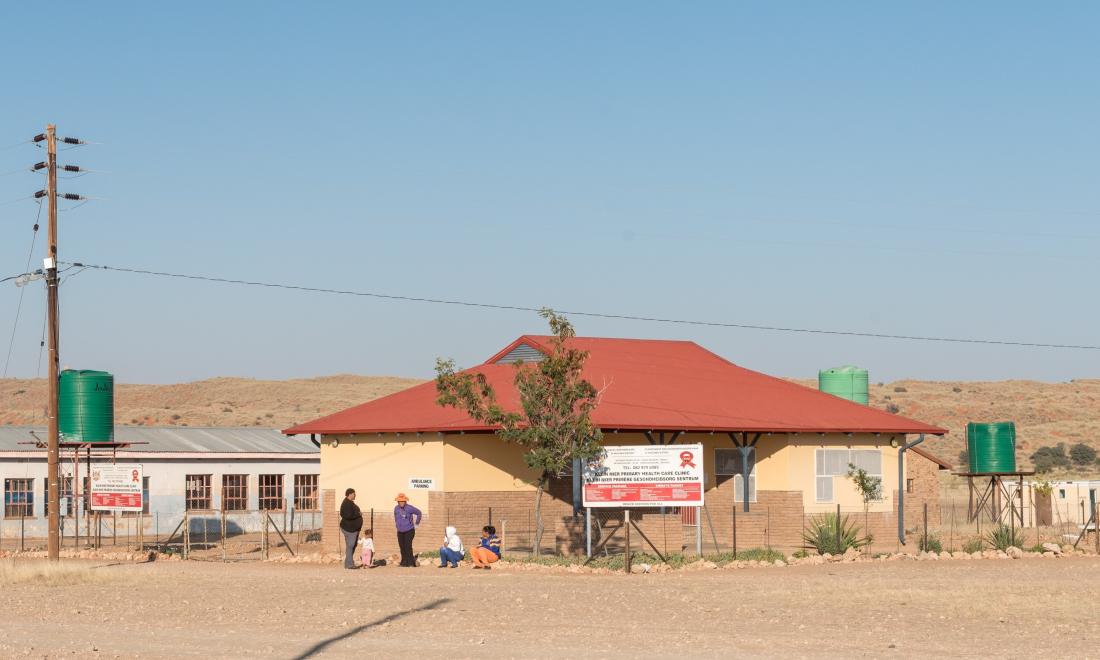
This comprehensive study measures social support systems of children in a rural area of South Africa. Designed to address the gaps left by standard census and survey tools, it combines intensive ethnographic data with longitudinal demographic data from the Agincourt Demographic Surveillance System (DSS). The ethnographic data can identify instances of support and relate these to information from the household database. The value of this approach is then assessed by measuring the relationship between the resulting measures of social support and child outcomes.
In this interdisciplinary and collaborative project, VanWey coordinates a team that includes Andrew Foster and other colleagues from Brown, along with researchers from the Woods Hole Research Center, and Brazilian colleagues from the University of Campinas and the University of São Paulo. The team will be evaluating the state of the Xingu River near Altamira, Pará, Brazil, before construction begins on what will be the world’s third largest hydroelectric project.
Labor-market migration can transform individuals as they develop new skills that may or may not be marketable at home. Lindstrom examines this issue in the context of temporary Mexican immigrants to the U.S. Consistent with the literature on investment migration there is evidence that migrants return with financial capital that can be translated into self-employment; however, it appears that the Mexican labor market does not reward U.S. labor-market experience.
This study examined the role of migration or human population movement in the spread of HIV and other sexually transmitted infections in South Africa. Funded by the Welcome Trust, this was a 3-year cohort study with biological (HIV and STI) and behavioral outcomes, among migrant men and their rural partners, and non-migrant men and their rural partners.
This pilot investigation will address a significant AIDS-related public health issue in South Africa: the relationship between human geographic mobility and risk for disease transmission. The project uses existing data and conducts a feasibility study. It brings demographic methods and field research, coupled with a refined understanding of human geographic mobility and health transition to the present public-health concern of HIV transmission and AIDS mortality.